Why our resin is better
Six reasons, told specifically — not “high quality,” but exactly what makes each batch of Horn Heritage resin different.
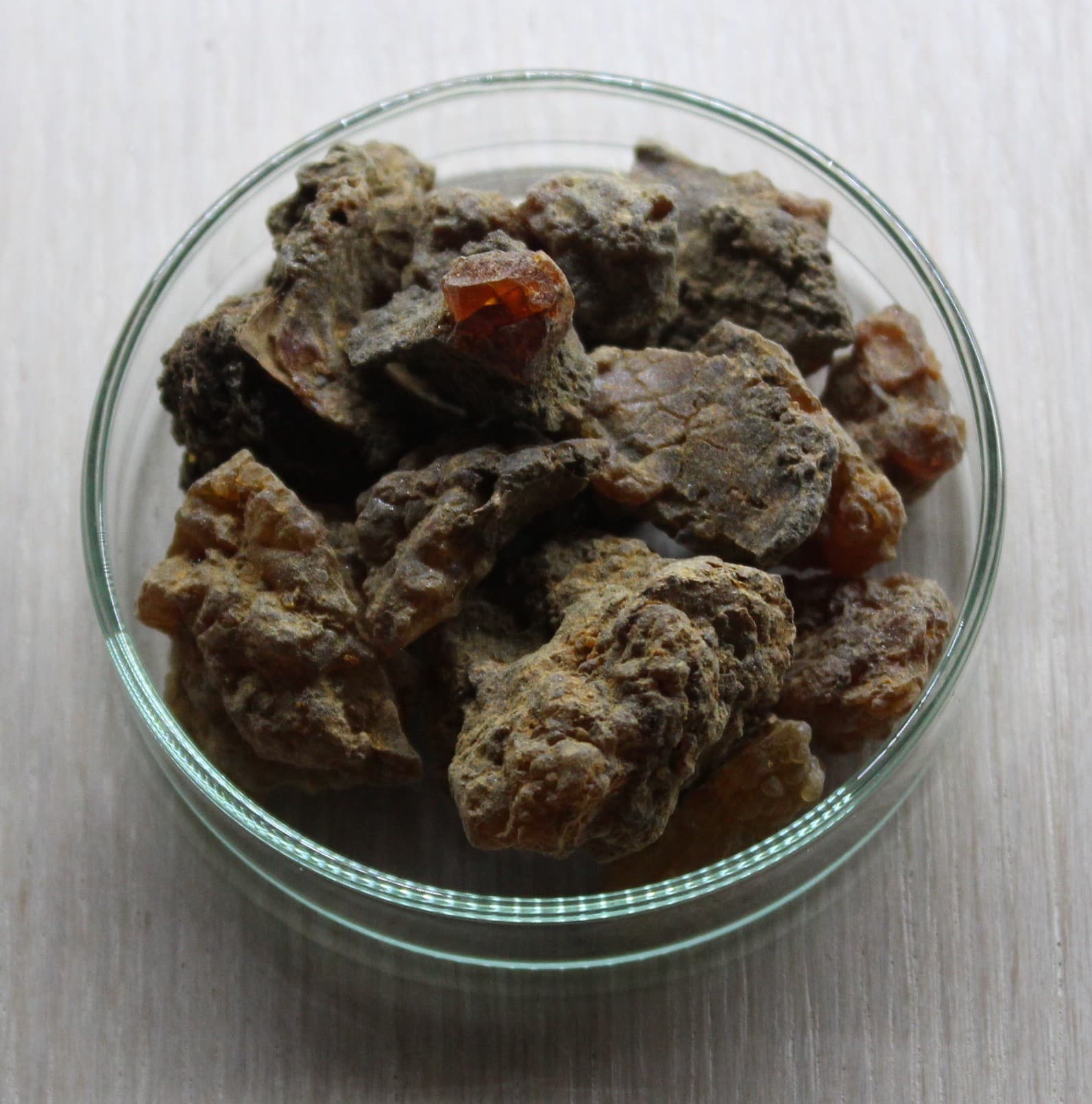
Hand-sorted grading
Every batch we sell is sorted by hand, tear by tear, over a sorting tray — not run through a mechanical sieve. Our sorters separate resin by tear size, color, and clarity, in as many as three passes for our top grade. It's slower than machine sorting. It's also the only way to consistently catch the difference between a good tear and a great one.
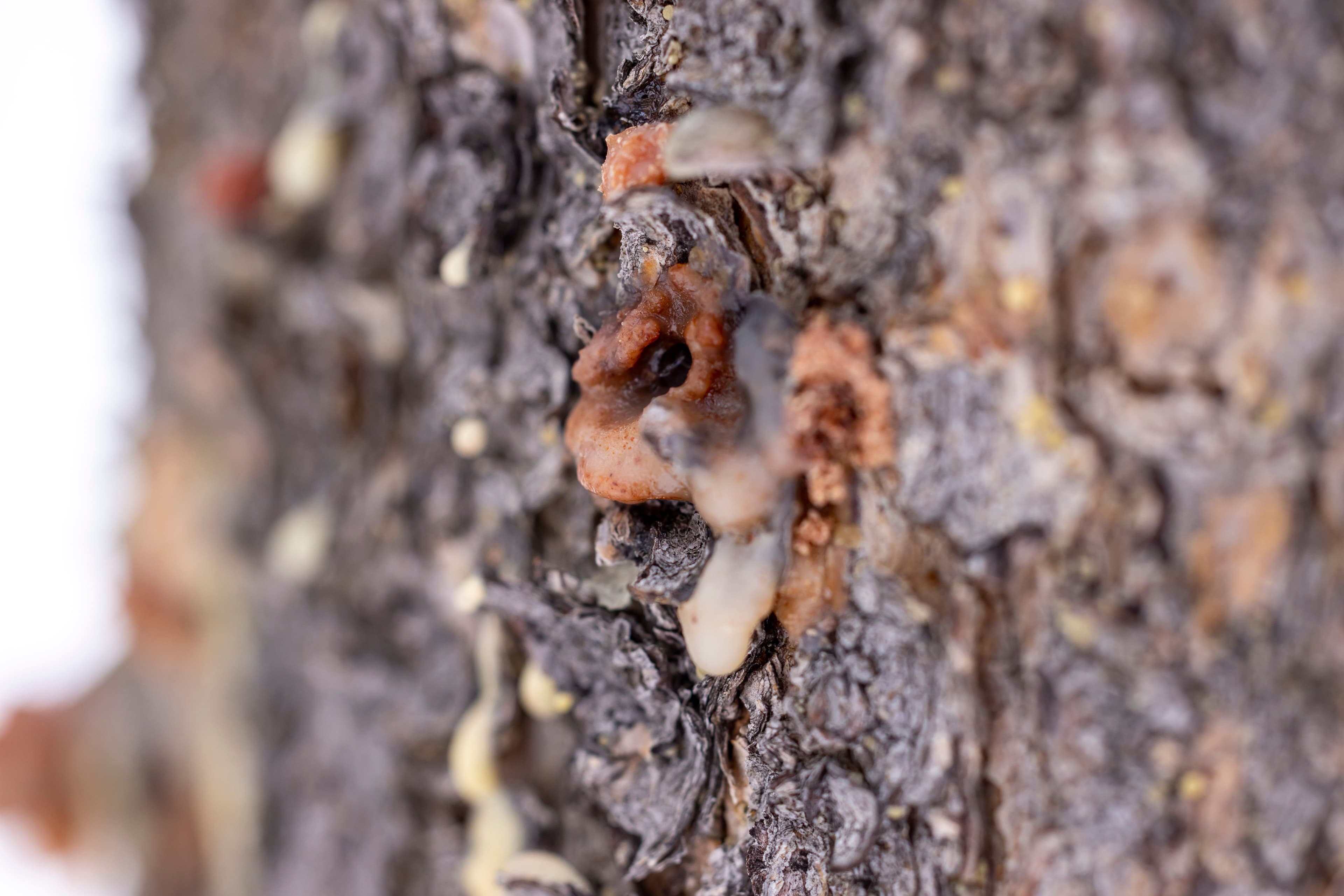
Premium grades, clearly defined
We grade on three things you can see: tear size, color, and clarity. Larger, paler, more translucent tears generally indicate a cleaner tap and slower, more careful drying. Here's how our three grades compare.
| Grade | Tear size | Color / clarity | Sorting passes | Best for |
|---|---|---|---|---|
| Royal Grade | Large, unbroken | Deep reddish-brown, high clarity | 3 passes | Perfumery, gifting, ceremonial use |
| Premium Grade | Medium–large | Amber to light brown | 1–2 passes | Burning, wellness blends |
| Standard Grade | Mixed sizes | Varies | 1 pass | Everyday burning, bulk blending |
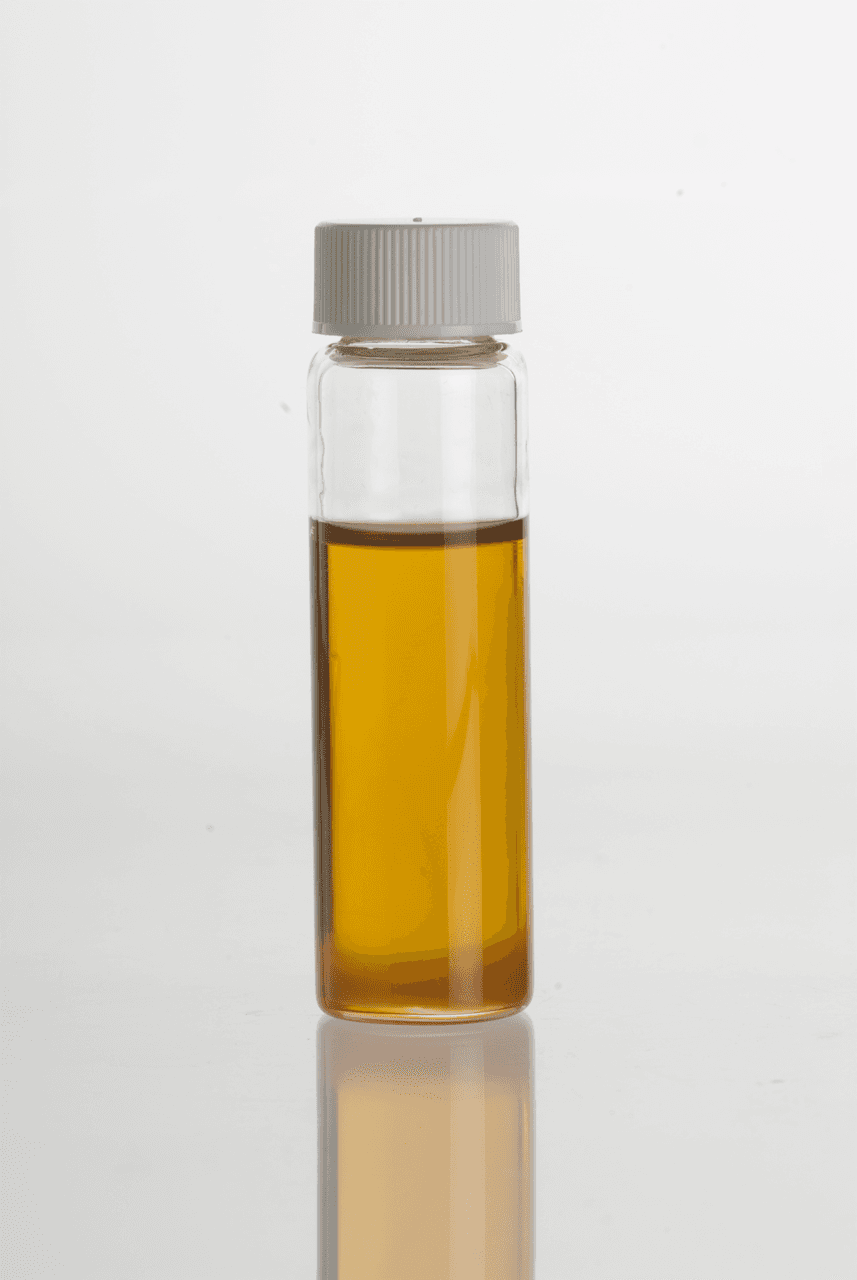
Higher oil content
Commiphora trees growing in Puntland's arid, high-altitude climate produce resin with notably high aromatic oil content — the compounds responsible for aroma strength and burn quality. We're working toward publishing lab-verified oil content data per batch; for now, our grading reflects harvester and buyer experience matching tear appearance to burn quality, refined over years of sourcing from the same trees and families.
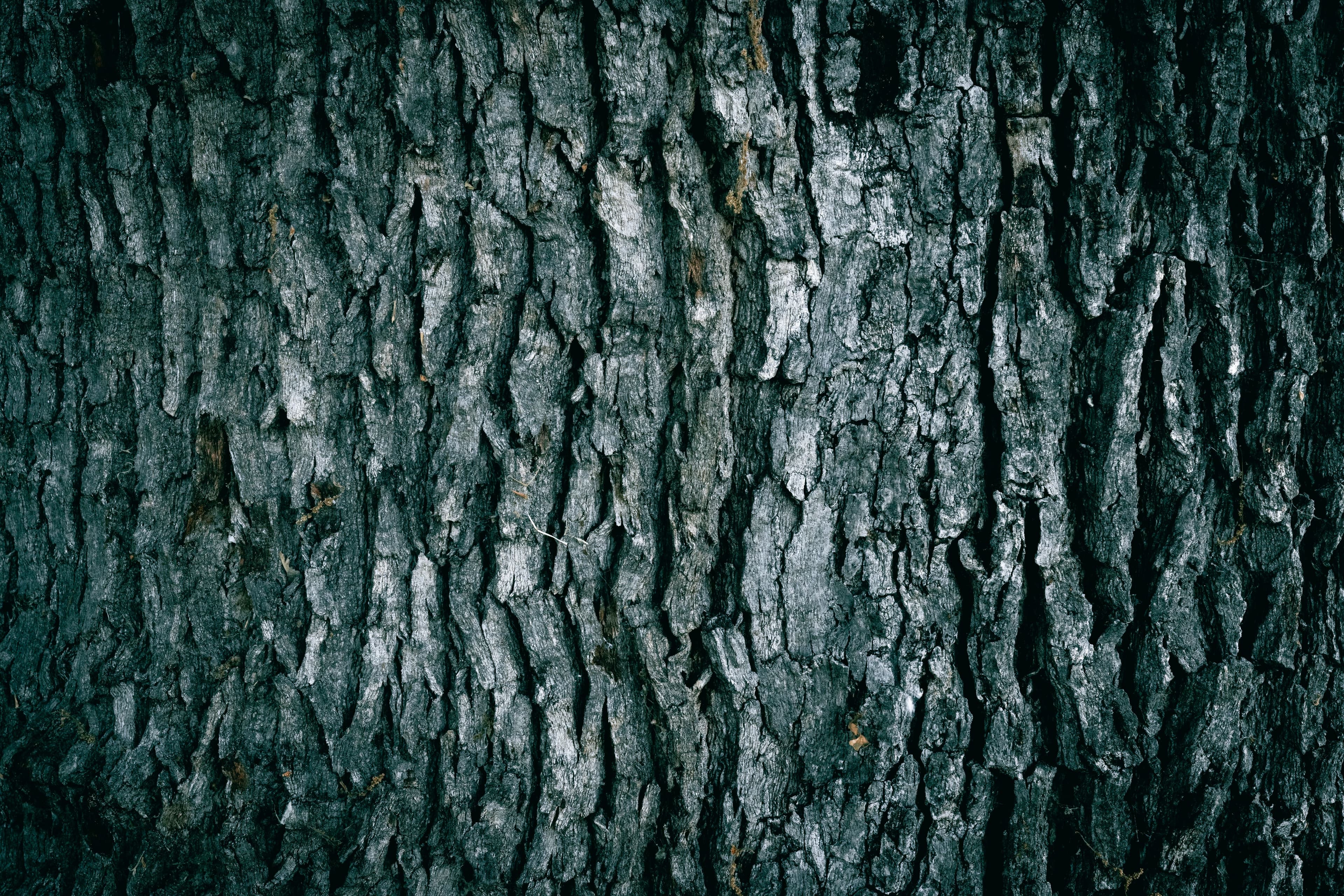
Traditional harvesting
Tapping is done by hand, using techniques passed down through generations of the same harvesting families — a shallow incision, careful timing, and rotation between trees to avoid over-tapping. This isn't nostalgia; it's what protects both resin quality and the long-term health of the trees themselves.
Cleaner resin
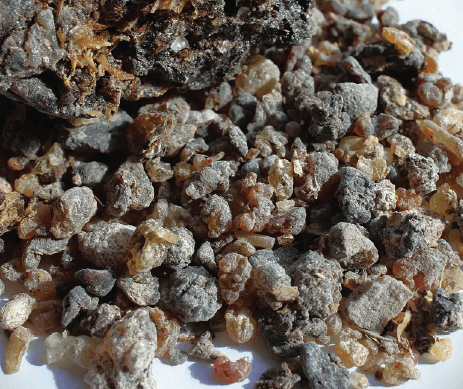
Bark fragments and dust are the two most common contaminants in commodity-grade resin. Our multi-pass hand-sorting removes both before packaging, so what you receive is resin — not resin mixed with debris.
Direct sourcing
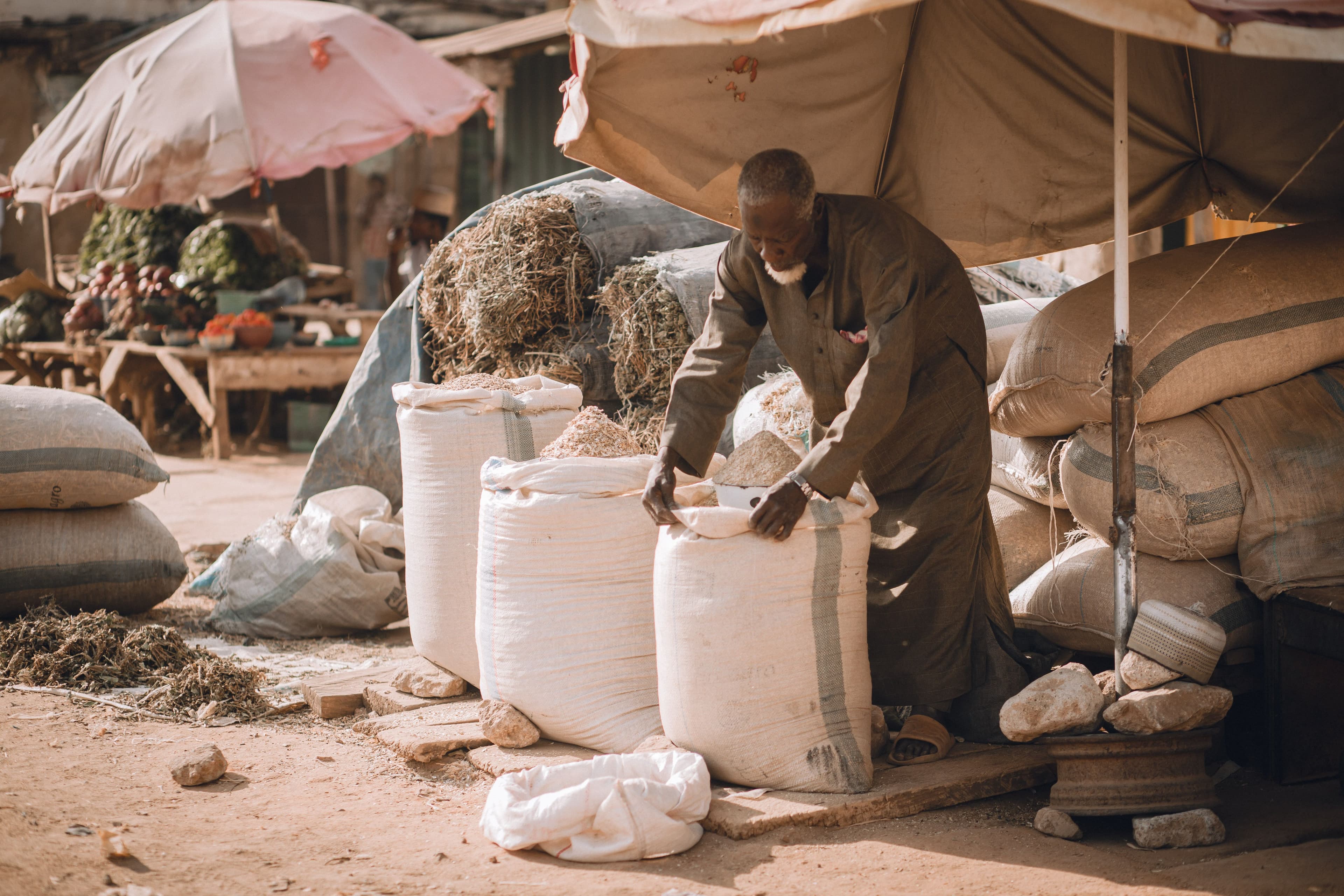
We buy directly from harvesting families across Puntland, with full traceability at every step — we know which region, and often which family, every batch came from. That direct relationship means fairer pay for harvesters and a documented chain of custody for you.